
Dear Bhutan,
I’ve always been curious about you. Why? Maybe because you are our neighboring country, or because your Gross National Happiness (GNH) index concept sounds intriguing especially since it was referred to in one of my favorite movies Lunch Box, or perhaps because of the mountains, people, and nature there! Well, there was only one way to know about it… Visit! And guess what – all these reasons turned out to be true however the most important one being- the traveler in me found a new home in you! I loved the comfortable silence that you offer Bhutan. I feel, at times talking overwhelms our other senses and keeps us from enjoying the simple things around us. Though I could cover a small part of you during my short visit- I felt at home in every nook and corner. Let me take you along with me on the journey…
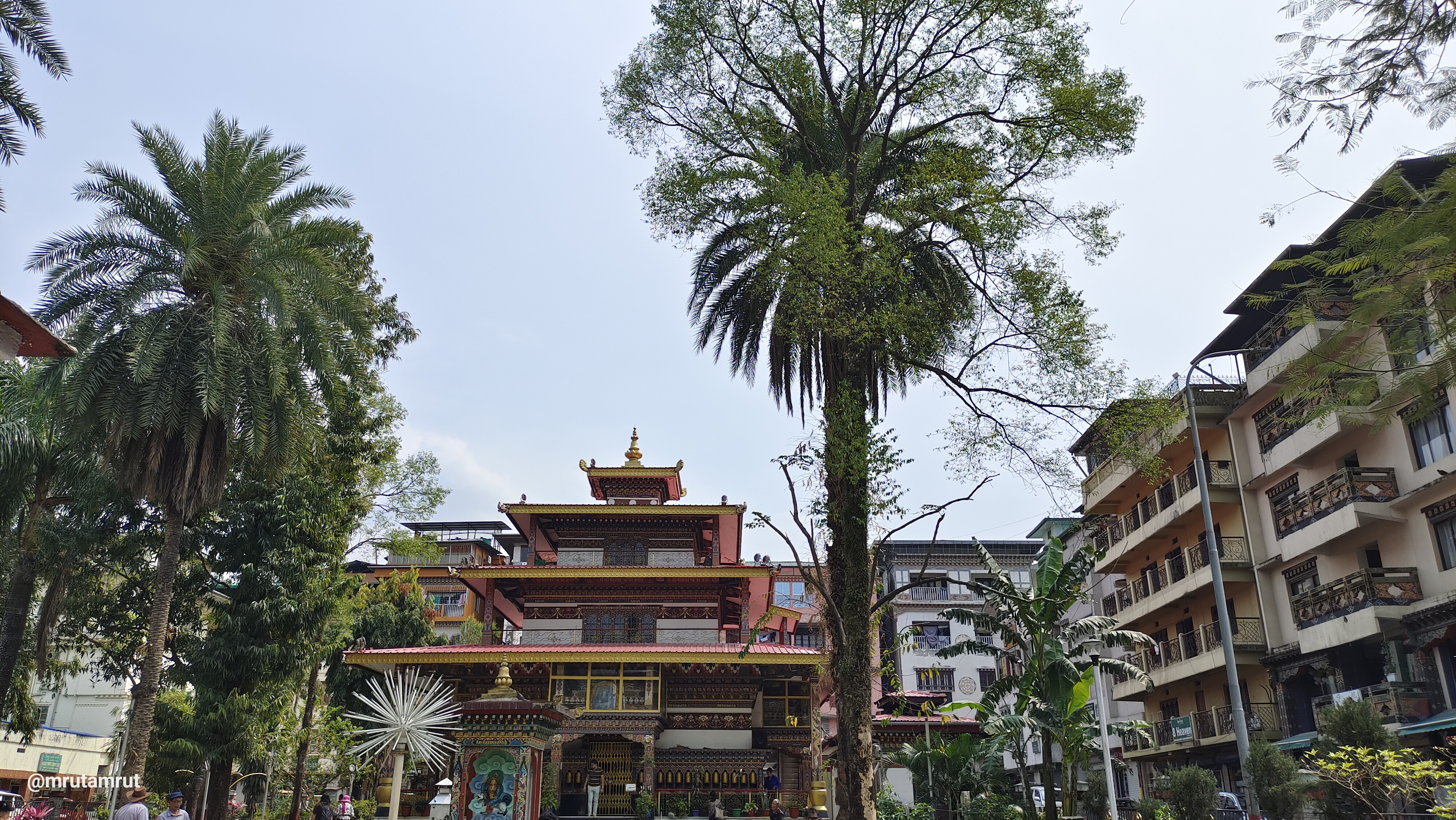
The drive from Bagdogra to Phuntsholing witnessing tea estates all through and catching up on some funny names of villages; felt like I was just traveling from one state of Bharat to another. However, the moment I crossed the border I could sense the difference – the calmness in the air! At first, the time taken in Phuntsholing to complete the immigration formalities felt irritatingly slow; I thought why can’t this process be online instead of manual? So, to kill time I went to the nearby monastery. Being there listening to nature’s sounds and observing an old lady complete her parikrama with a ‘Mani lakhor’ (prayer wheel) in hand gave self-realization this is what I usually crave back home – slow life! And since then, I kept no track of time – loved sitting on a roadside rock and simply enjoyed watching people crossing the roads – elderly walking with care, youngsters with zest, and kids with giggles and tantrums. Post immigration the real journey started.
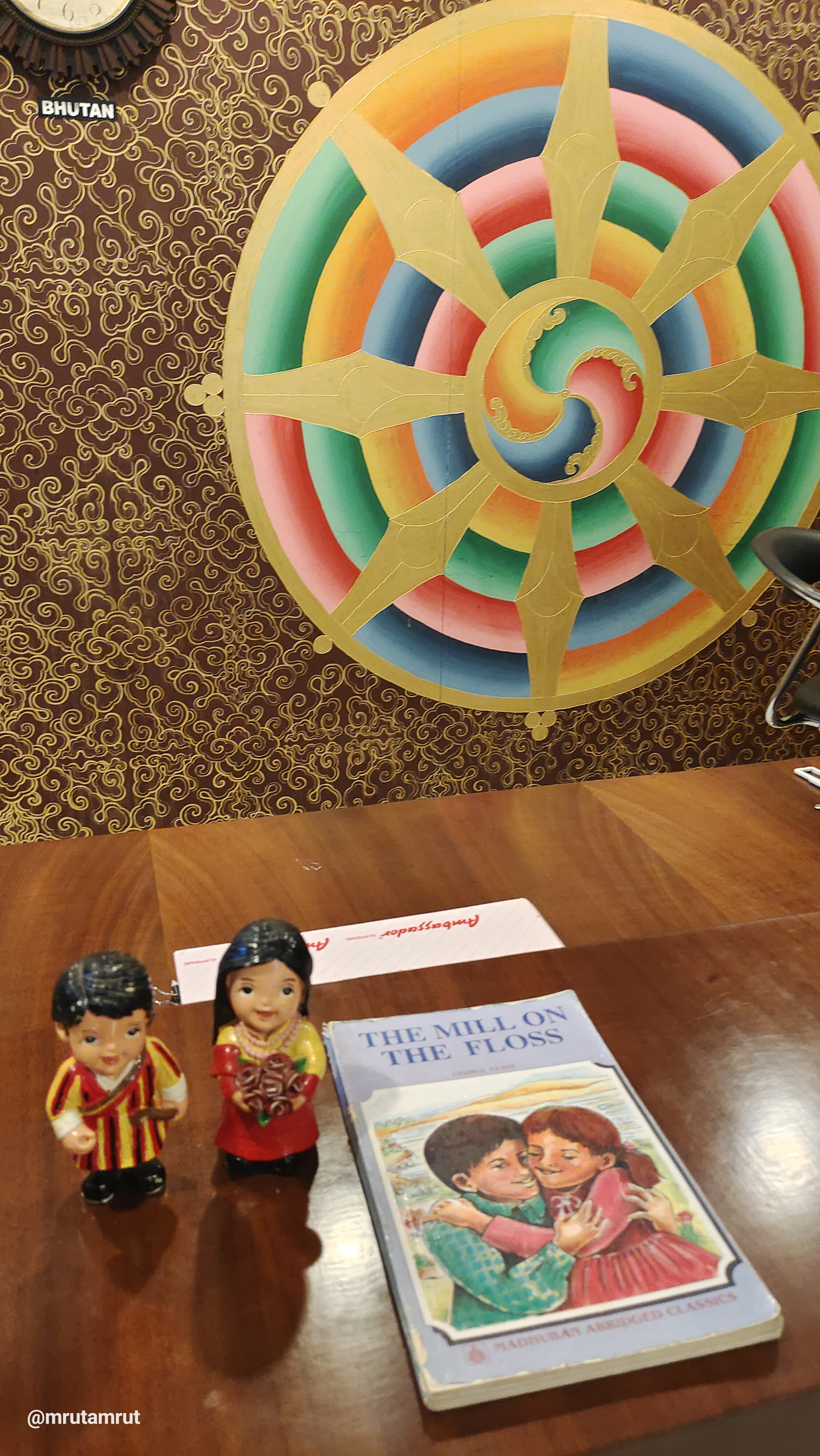


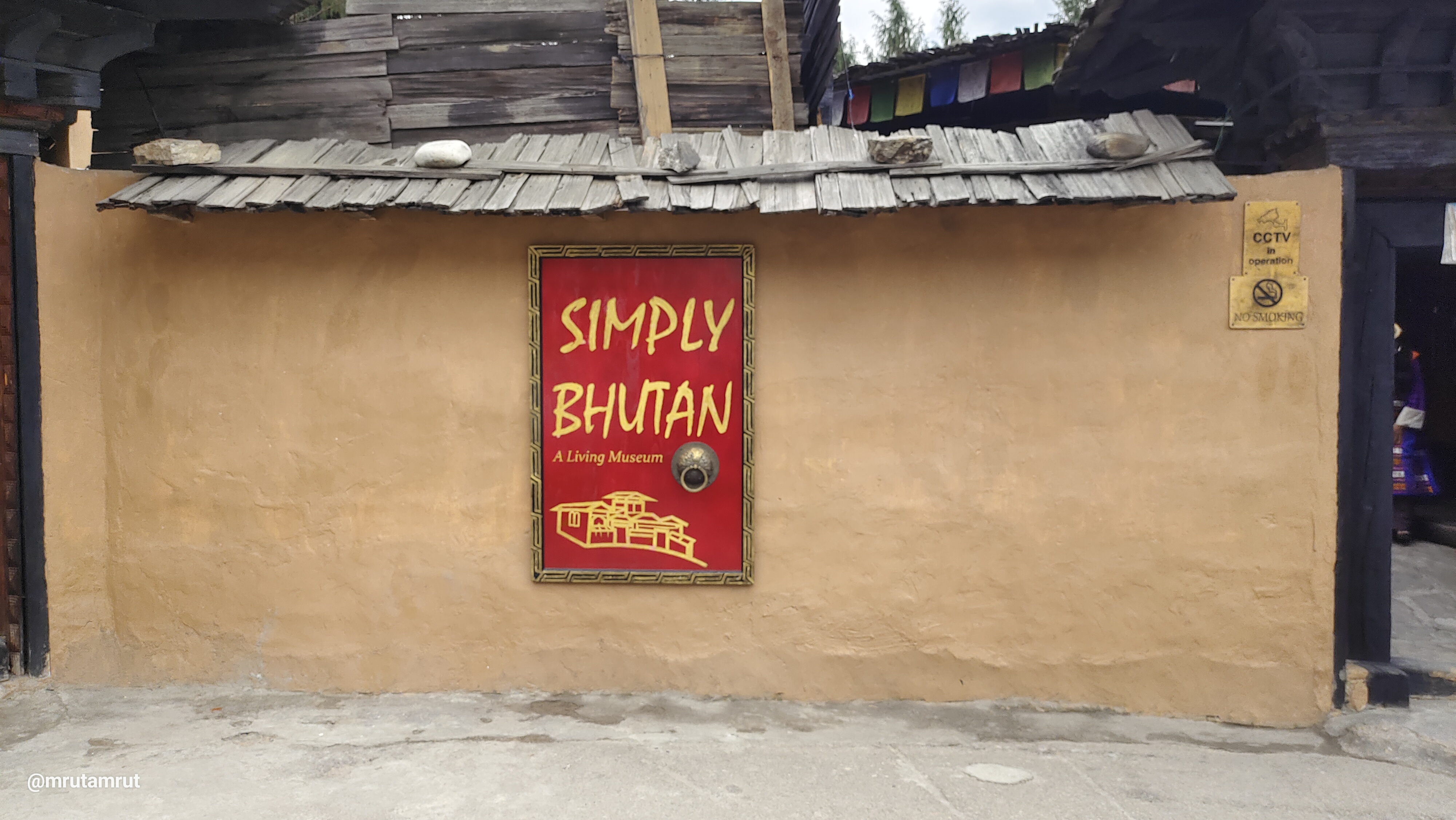
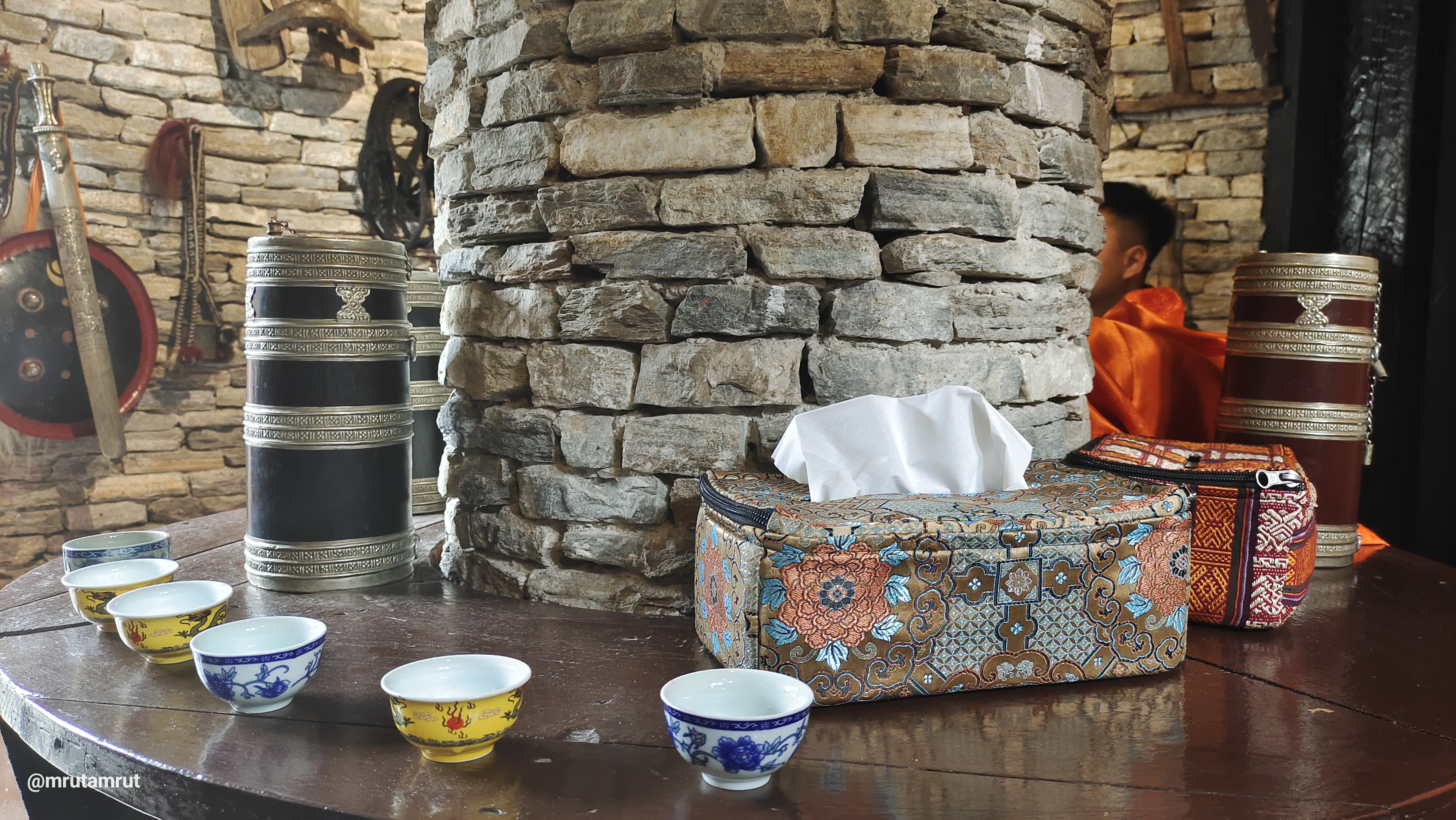
The terrain you have, and the twists and turns on roads around the mountains make the journey happily eventful! The next stay was in a neatly decorated cozy resort at Thimpu- your capital city. The weather changed here, there was a nip in the air. Also, I was surprised that there were no traffic signals, no honking, etc. to which our car driver Mr. Pasang bhai said ‘We drive on mutual understanding’. It is hard to imagine– people driving without honking, traffic signals, rash overtaking, etc. Being in a capital city that offered a slow life was amusing. I enjoyed visiting the live museum there – it gave me a glimpse of Bhutanese culture, cuisine, art, music, sports, and people. Learned that archery is your national sport; had local wheat wine; clicked pictures in mud-rammed houses, grooved with local dancers on folk songs, taught them some Bollywood dance steps, and tasted some yummy food along with butter tea. Met the Foot artist aka Pema Tshering- a craftsman affected with cerebral palsy. After his birth mother abandoned him, Queen Mother adopted him– his life’s story instills the belief that the mind holds unparalleled strength and helps achieve anything that you aim for!

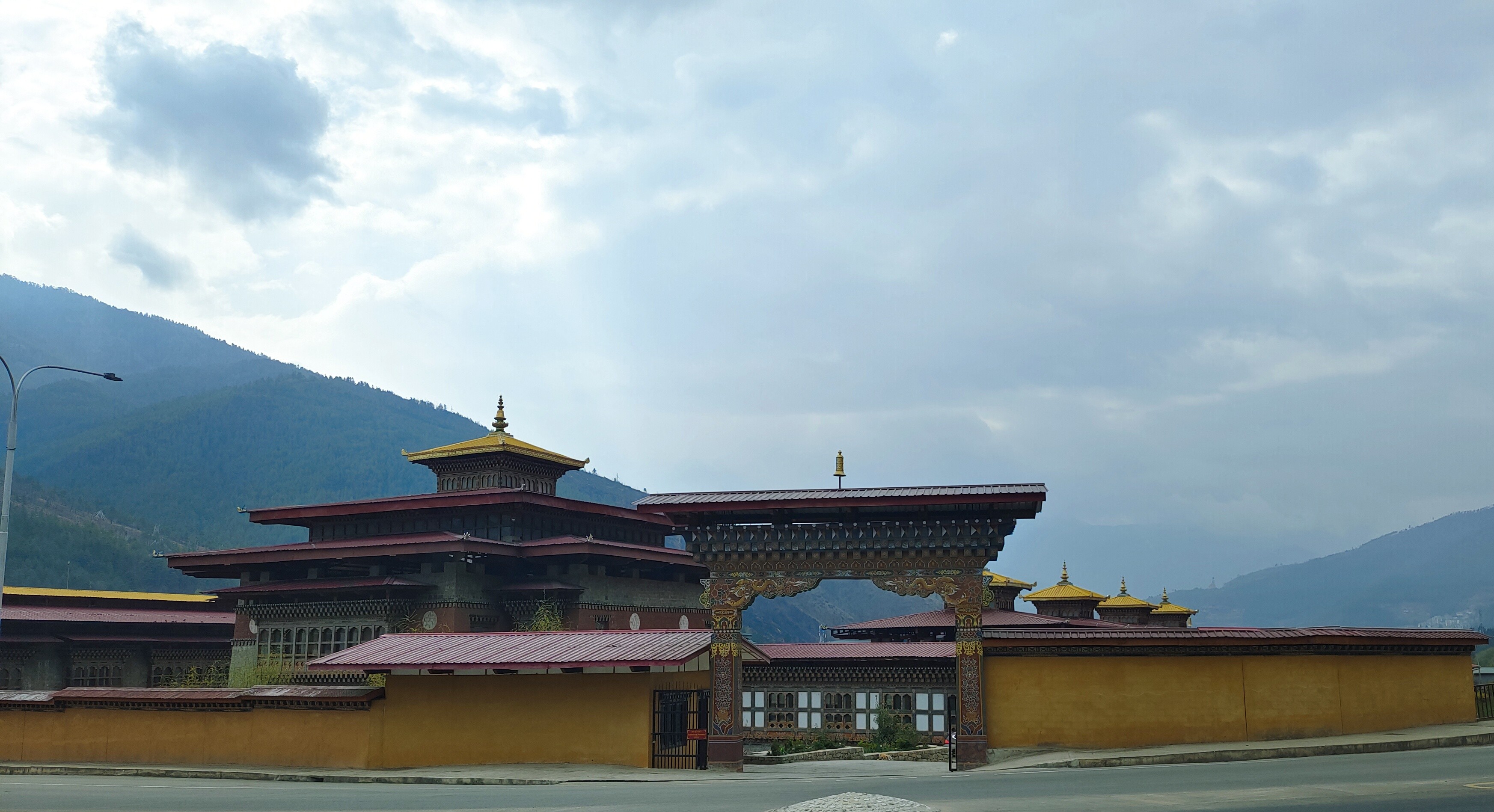
During the Thimpu city tour, we visited the Dzong, Memorial Chorten, Buddha Dordemna- 169ft tall Shakyamuni Buddha statue. On the way saw official buildings- the Parliament, Post Office HQ, and the Supreme Court. However, I wondered why a peaceful country like you would need the Supreme Court, or is it because the Court, Government, King, and the People are working collectively hence you- as a country are peaceful and happy? Lingering this thought in mind, I started the journey to visit your next city Punakha -ex capital and current administrative centre.
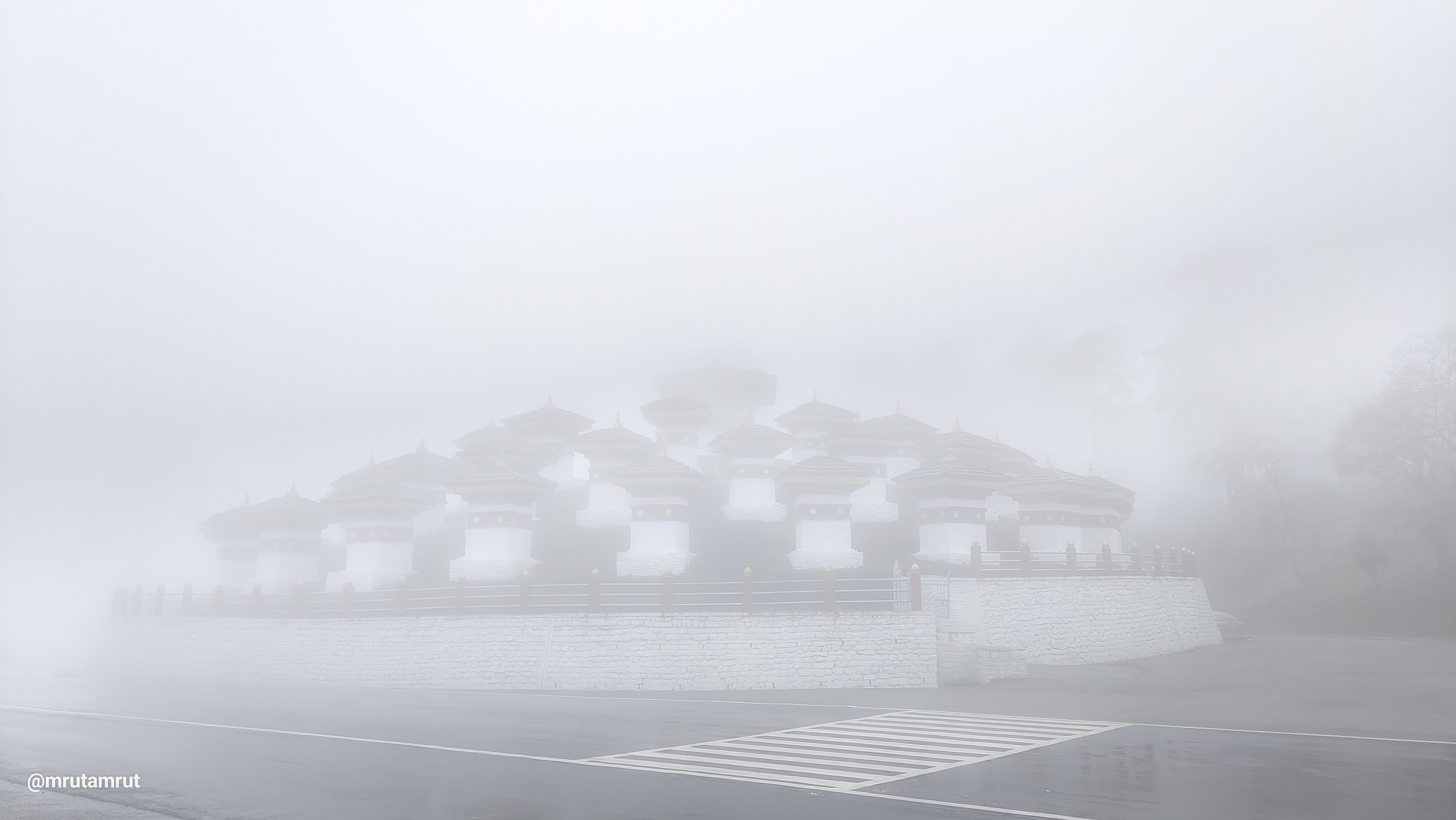
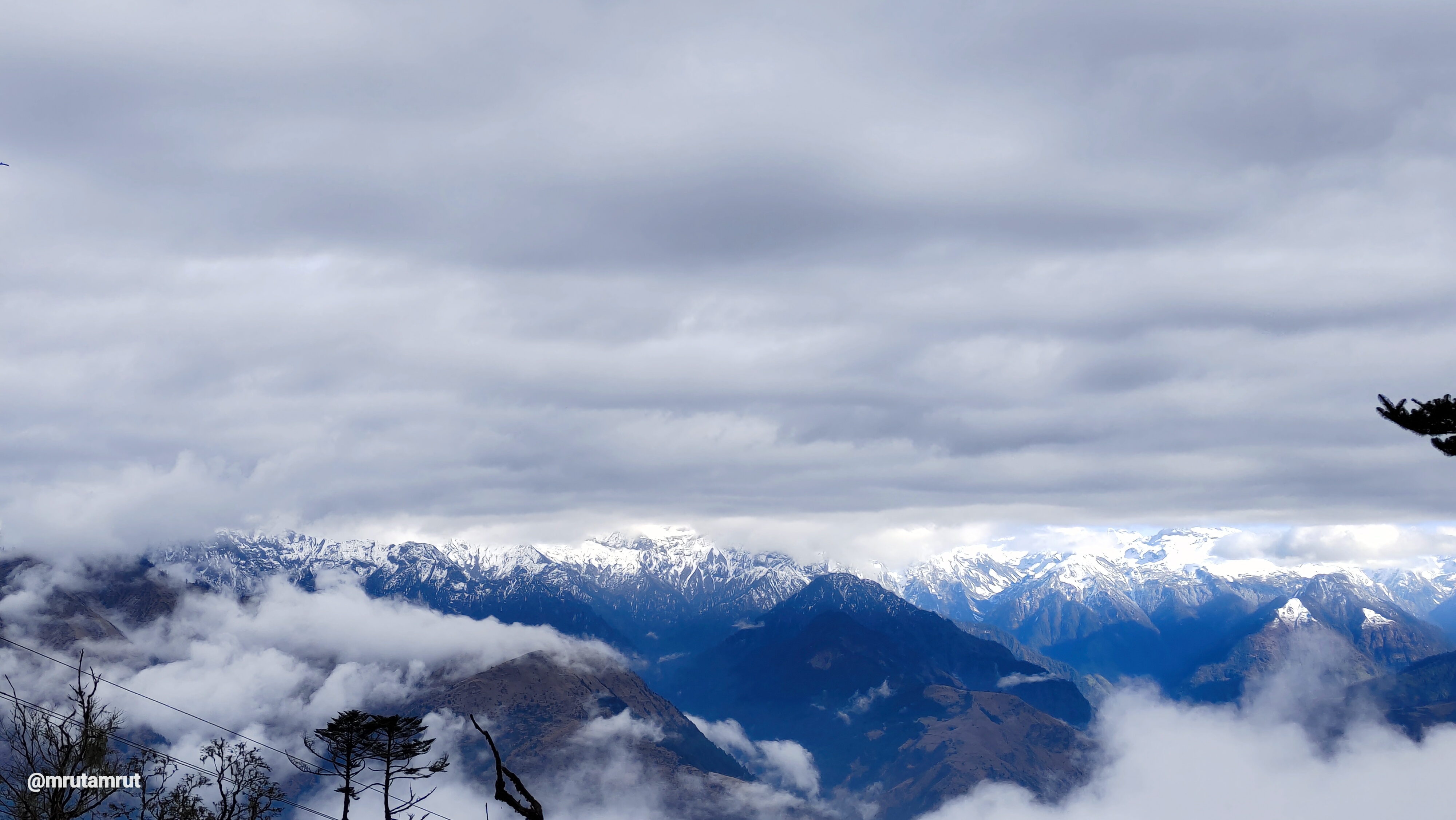
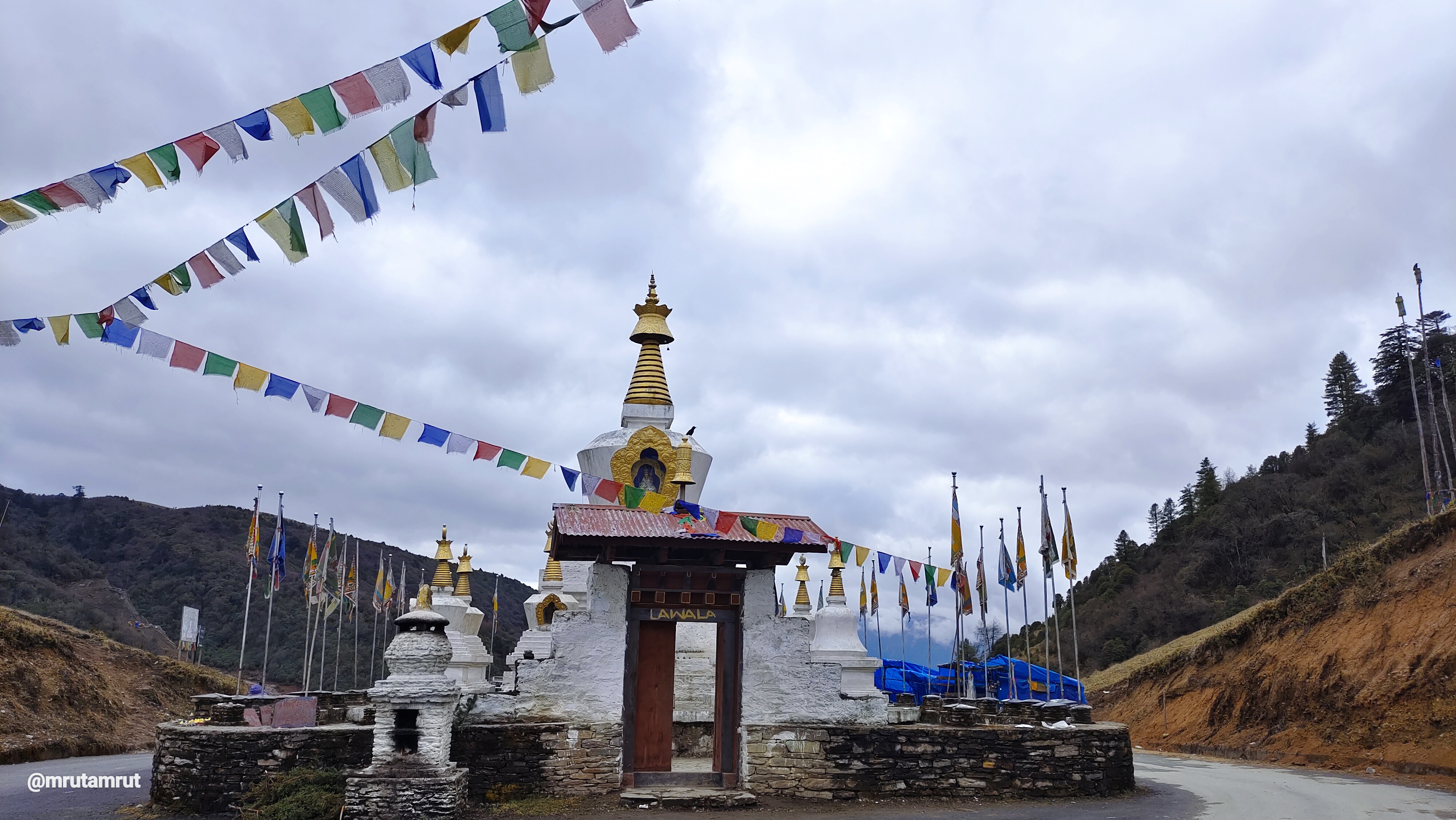
On the way we made a halt at Dochu La (3100m) it was quite cold, and windy the visibility was restricted due to fog. Paid respects to 108 Chortens built there to honor the martyred Bhutanese soldiers. To me, it looked like a message to the world that even though you are a peaceful country; you are strong and aggressive enough to give it back to the enemy when the time demands. Later, I grabbed a hot cup of ginger honey lemon tea from the cafe and settled at a viewpoint in the hope of getting a 360-degree view of the Himalayas however, the weather was not on my side that day. With a slightly sad mind resumed the journey to Punakha. That ‘meh’ mood didn’t last long- thanks to Pasang bhaiya and his talks. Bhutanese people in general are simple and innocent, and Pasang bhai is a pinch extra cute too. Pasang Bhai is – a man in his 40s- who looks exactly like the laughing Buddha statue; not a bald one though and with white teeth turned red by constantly eating ‘doma’ aka beetle leaf. Initially, I started talking to him so that he doesn’t get bored by just driving and in turn, it happened so that his talks were entertaining me. By now he had gelled up with the group. He taught me some interesting words in Dzongkha – the Bhutanese language, played some cool local music, and decoded the lyrics too. I was amazed to know he is SRK’s fan and remembers songs and even dialogues from many Bollywood movies-old or new. He is genuine at heart and that’s what makes people like him. Throughout the trip, his temper was calm and joyful. No frown, no hurry, and he agreed to stop the car whenever we asked to click pictures on the way. He said ‘I want you all to have fond memories of me and our lovely Bhutan’. Not that any job is of less worth or so – but then it was impressive to see that a common man like him was proud of his country and had an intent and put efforts to show the best of it to us.


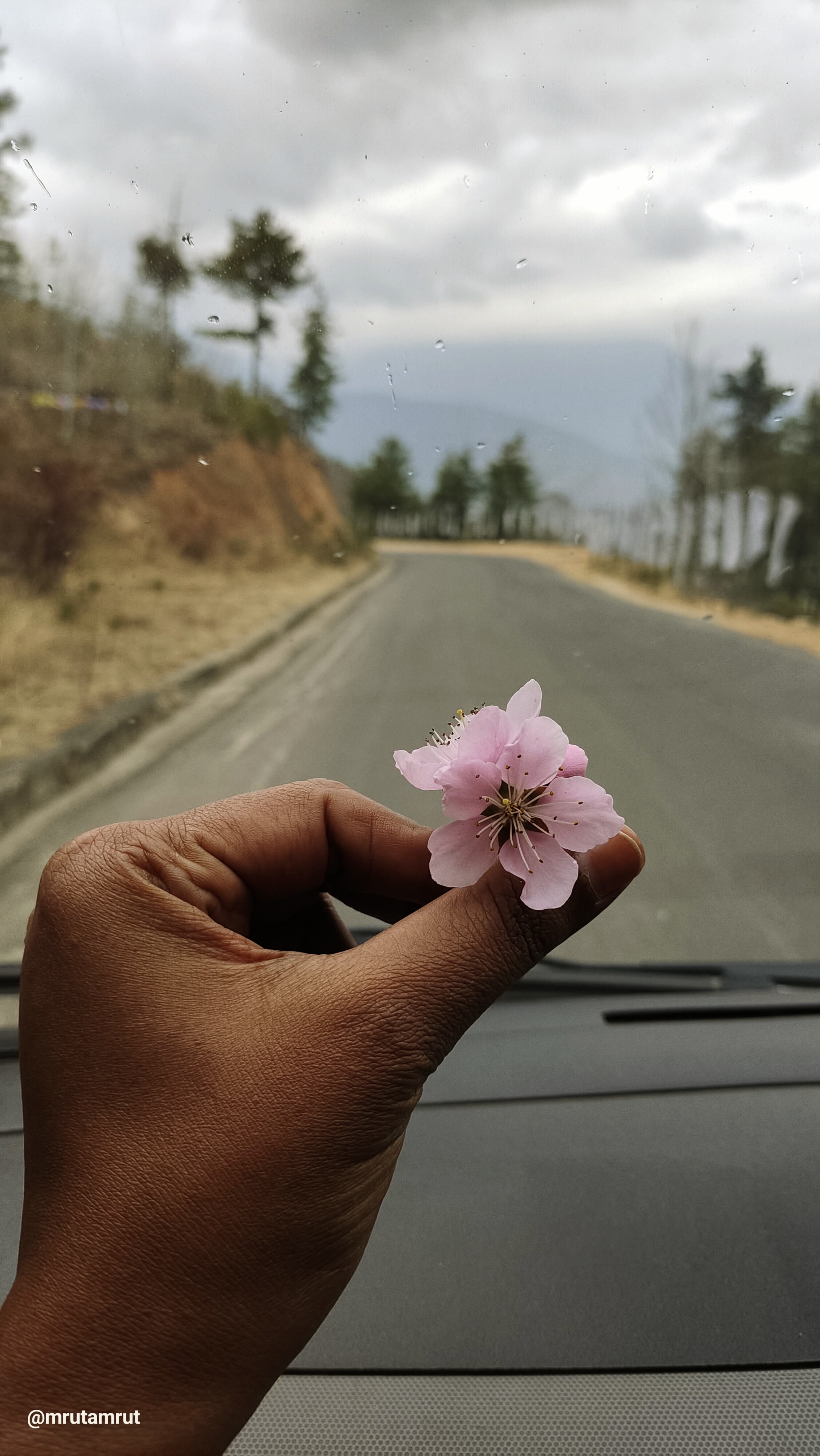
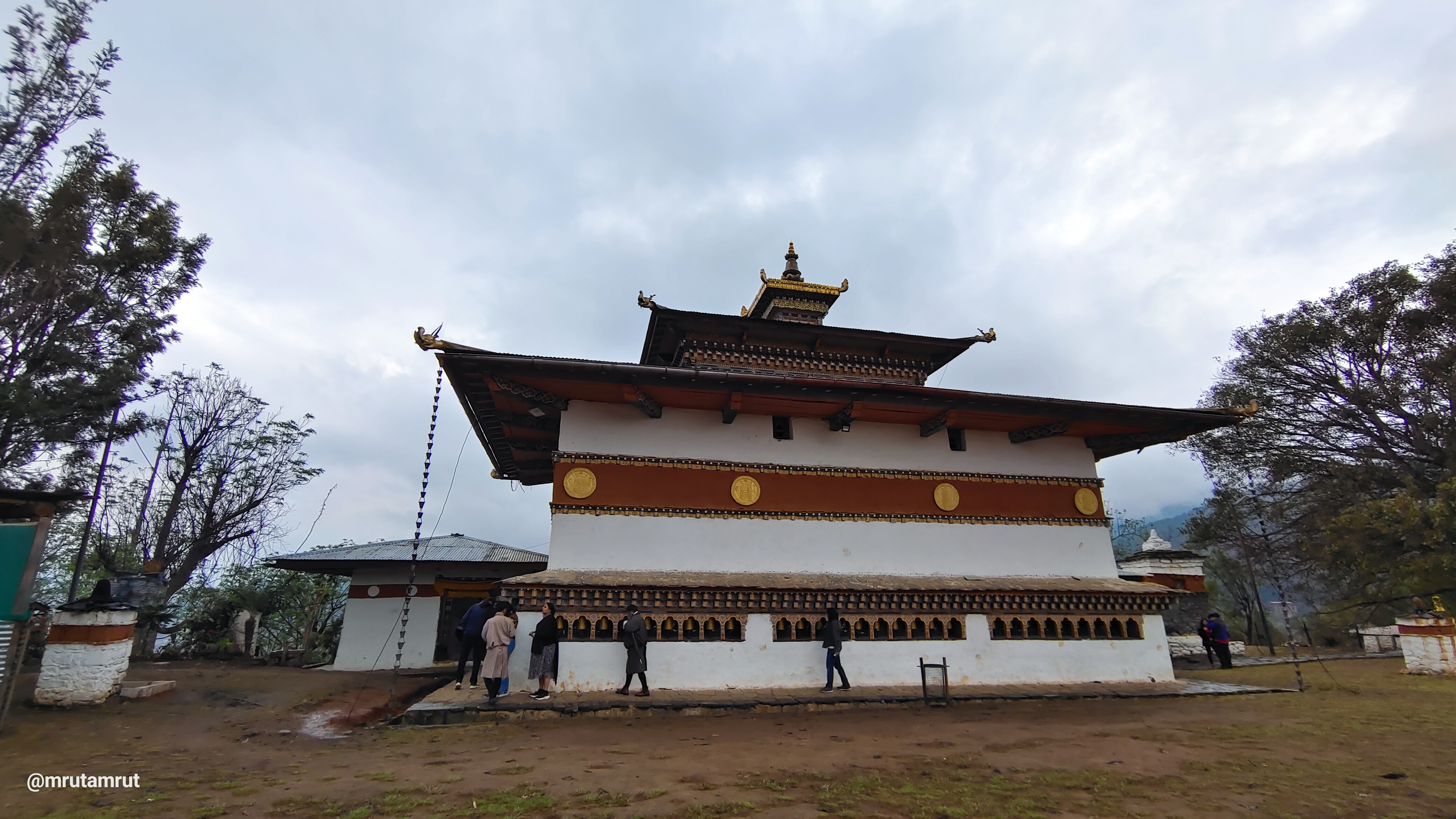
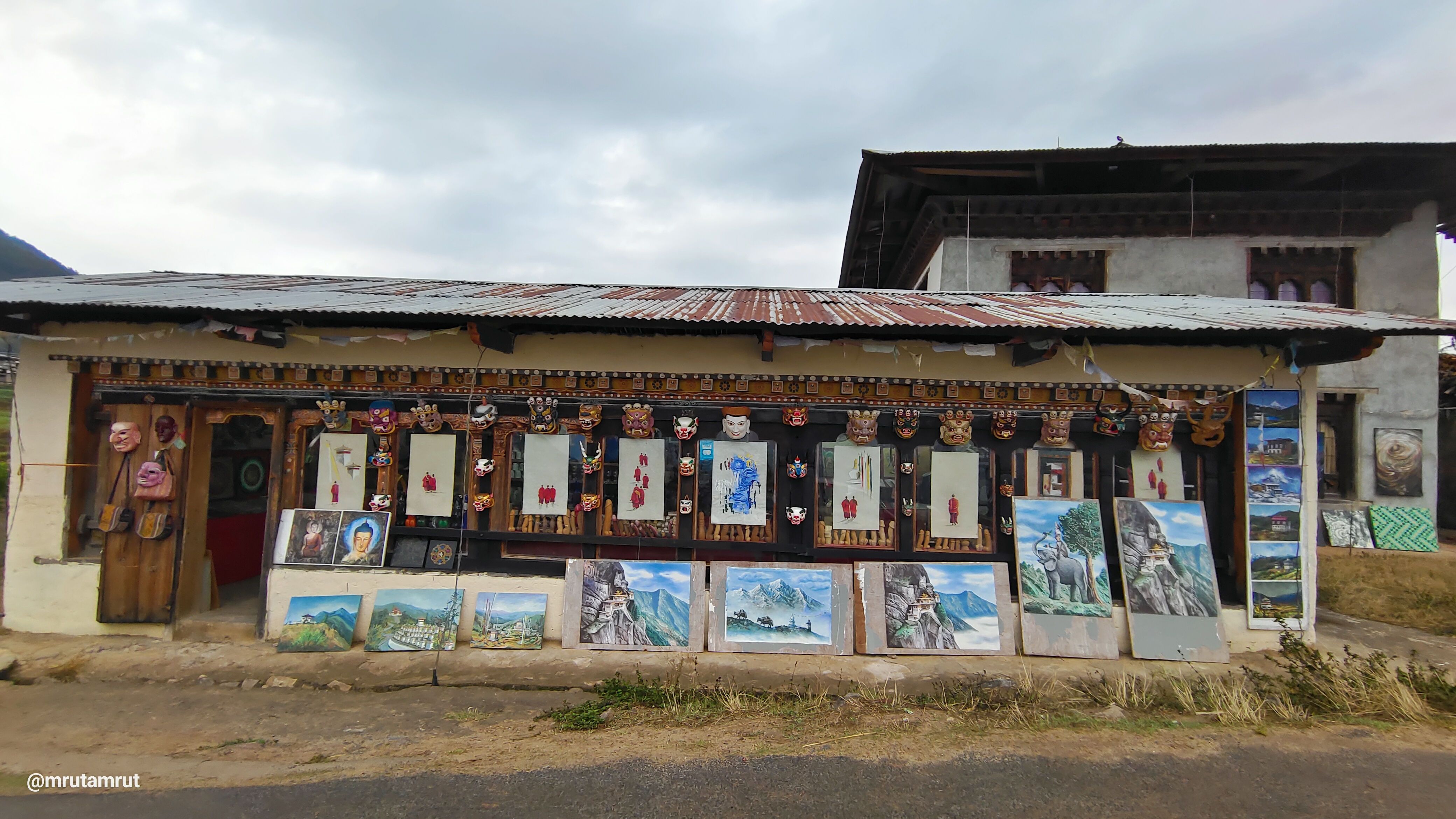
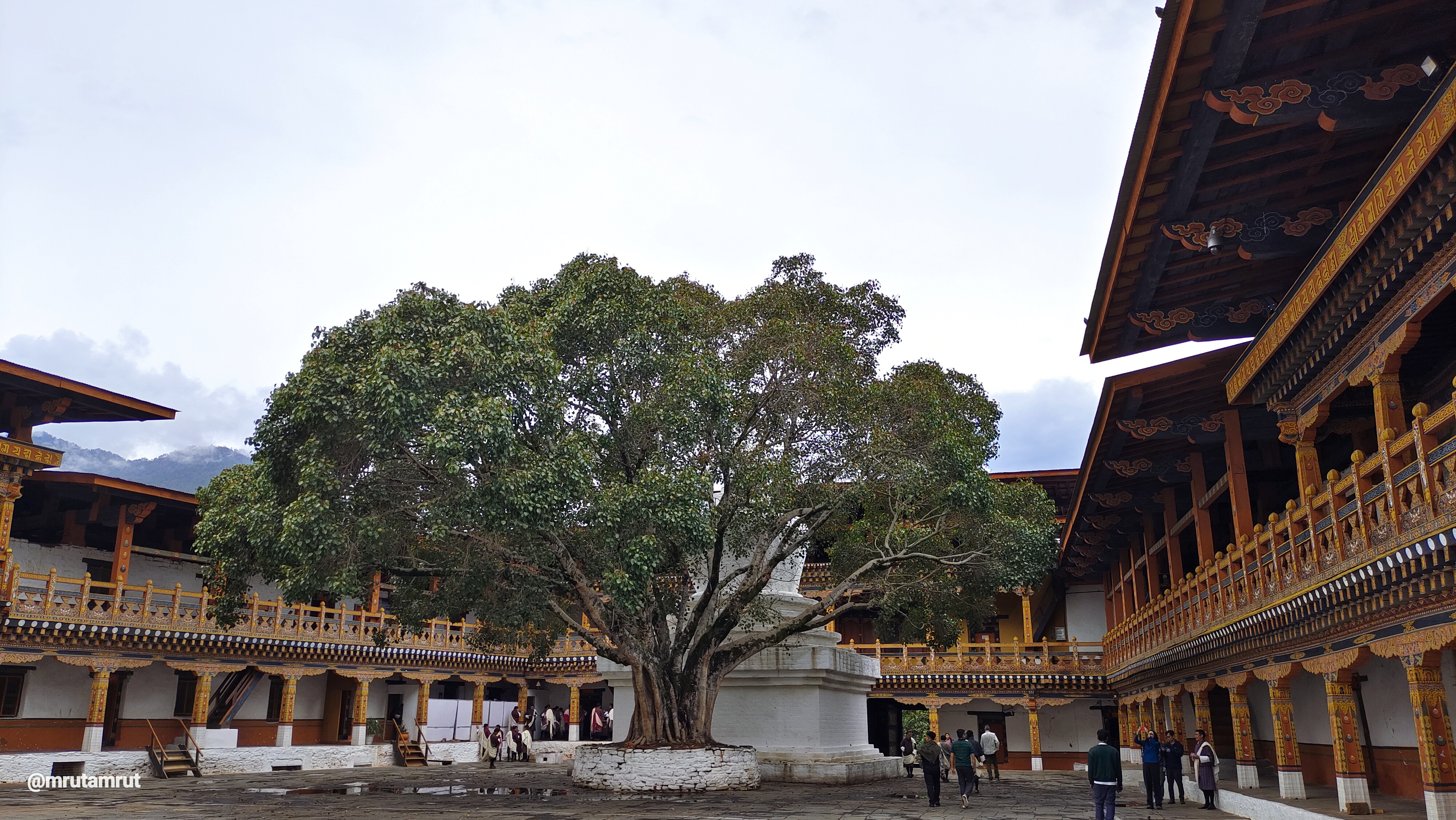
When we reached Punakha the air was moist and it looked like the rain had just paid the visit. We visited Chimi Lhakhang aka the Fertility temple where couples come to seek blessings to beget children. It is also called the city of phalluses. The belief is also that the phallus keeps the evil spirit away. Since the official working hours are 9 am to 4 pm all the tourist places are also closed early. This leaves lots of idle time in hand in the sense that one cannot run behind to tick the itinerary checklist. I loved this thing about you Bhutan. That gave me time to take strolls in the village, explore not-so-crowded markets, interact with local people play with children on the street and at times simply absorb the surroundings. The next day we visited the Punakha Dzong – it is a most scenic sacred monastery. It is the symbol and center of the rich Bhutanese culture. An old tree on its premises tells the time story more than the building itself. The place is filled with positivity and peace. The sight of monks chanting prayers, the vibrations that their chants created, and birds chirping the sound of the wind – become one divine sound if you listen to it with a still mind. Life is meant to be lived like this right? Finding the rhythm, being part of the sound of harmony. Its geographical location intrigued me – as our guide explained it is situated between Pho Chhu- the male river and Mo Chhu – the female river, genders based on their force. Further reading discovered that it eventually meets the Brahmaputra River in our country- giving a feeling that we are all connected in some or the other way.
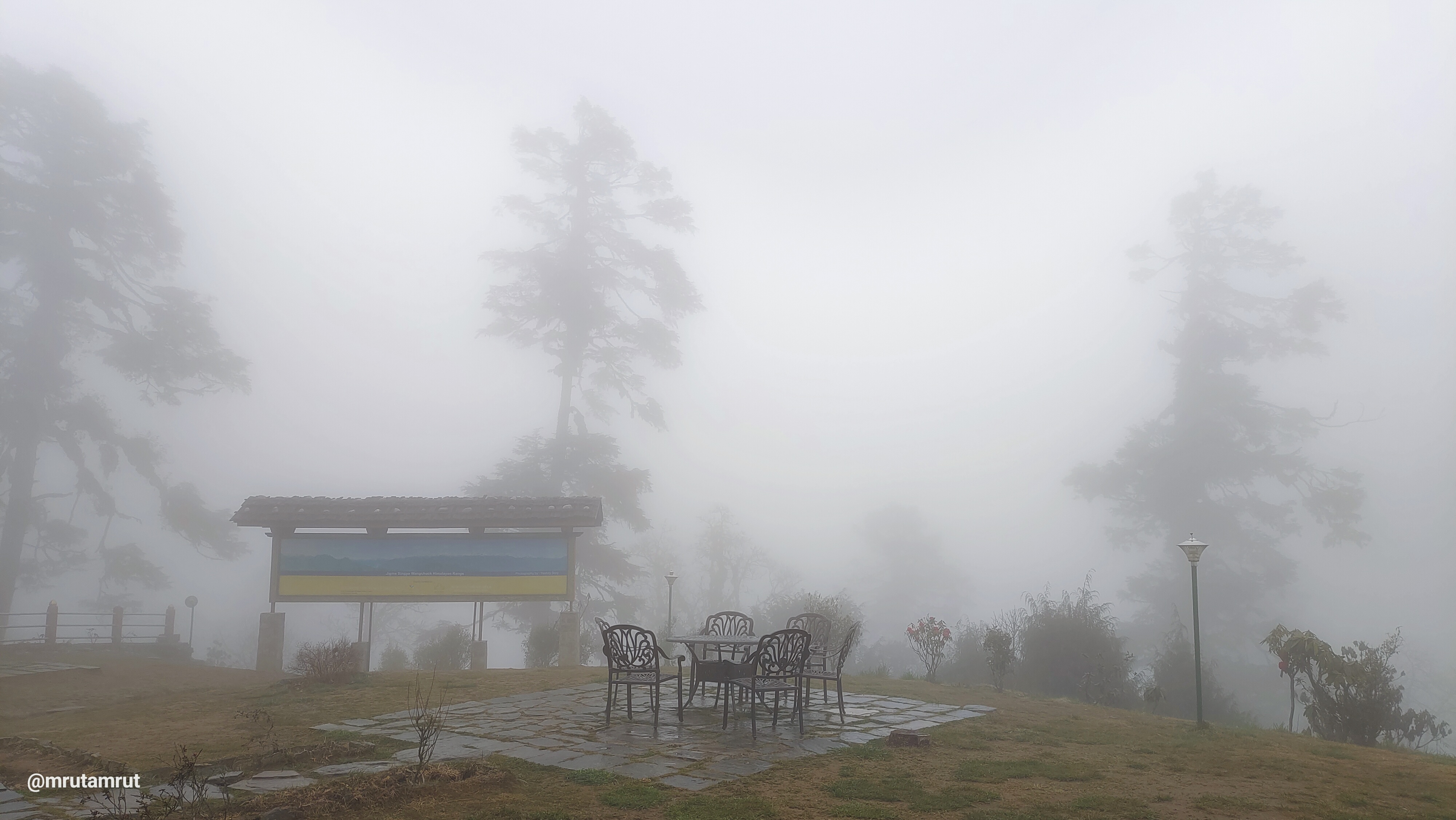


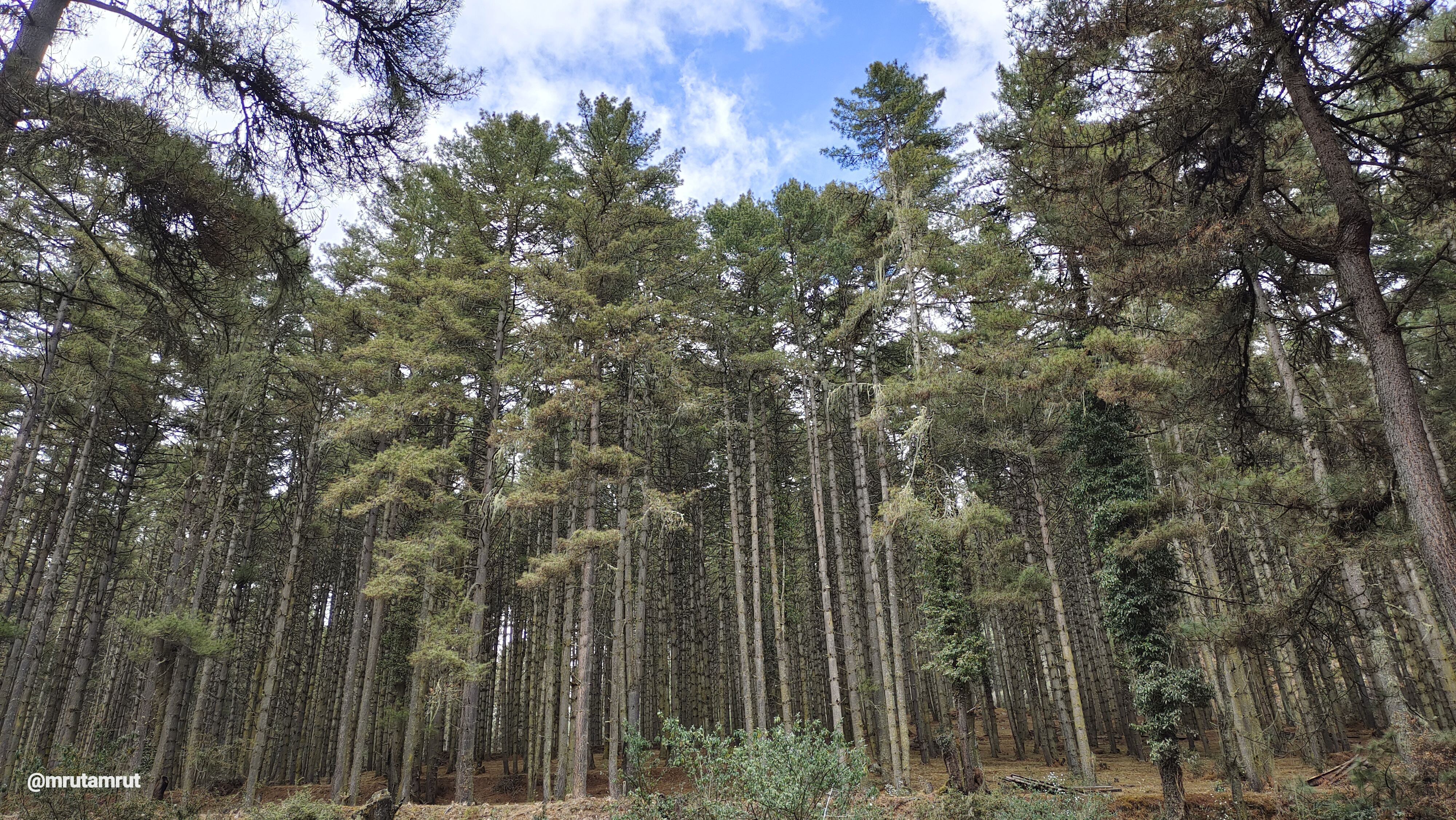
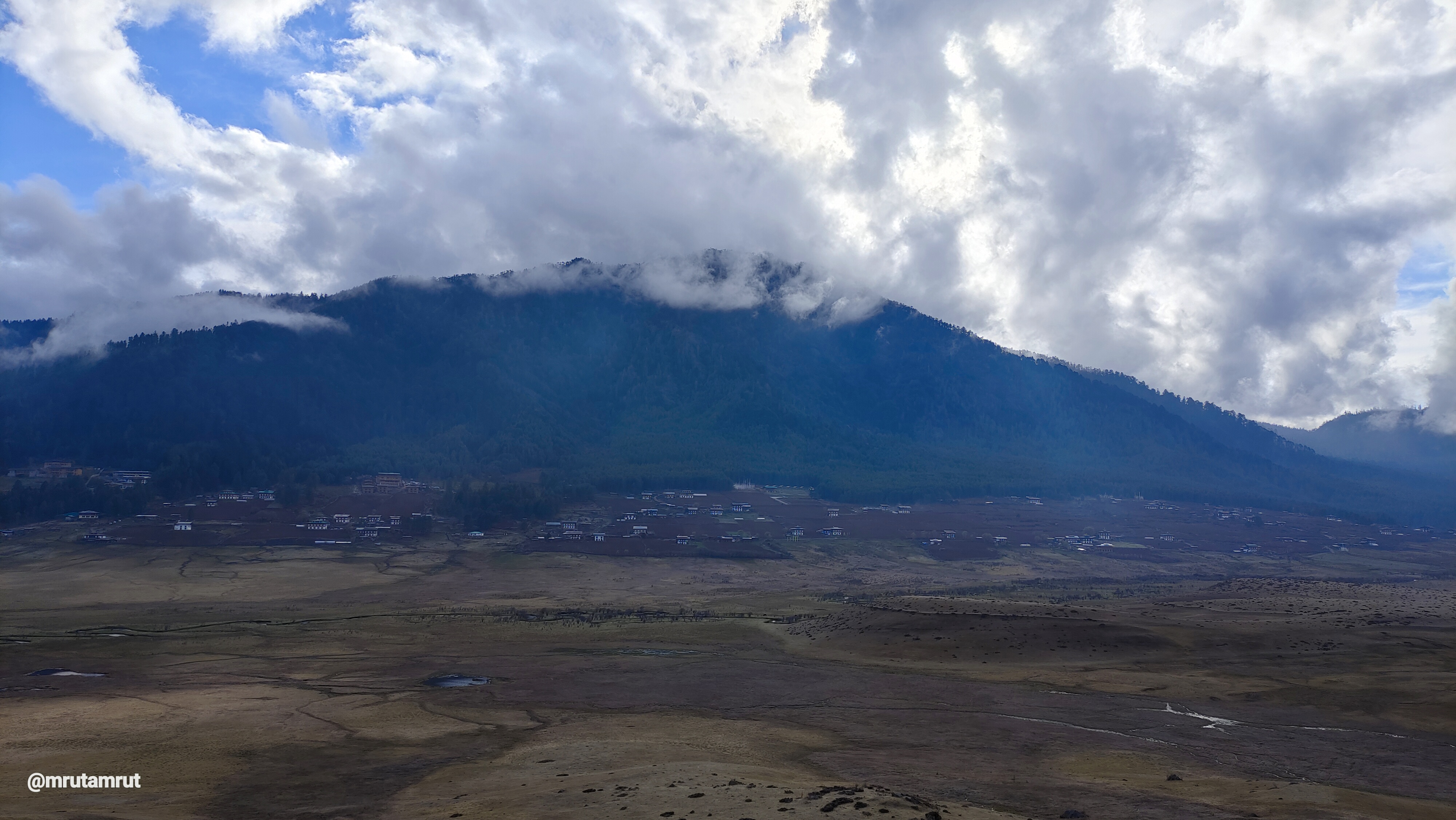
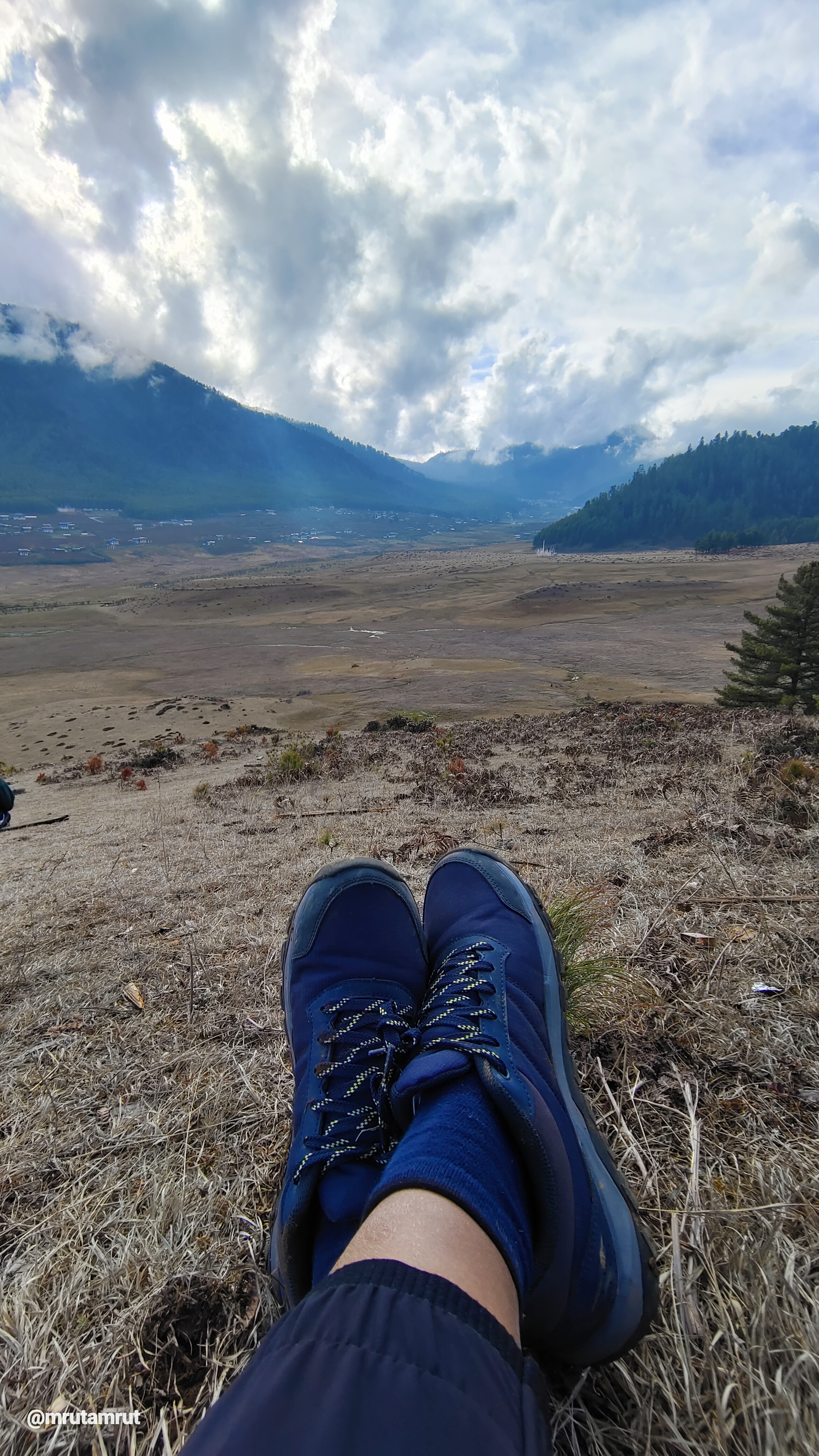
After Punakha, it was time to go to Gangtey- Phobjikha Valley. There were two options – a road journey or hiking and the latter was chosen! And it turned out to be a fulfilling experience. I was spellbound with its green lush landscapes and famous marshlands. Day, date, and time had no relevance then – lost these tracks while walking through pine trees, adoring wildflowers, spotting different birds, and sitting at a point where brushing wind against ears sounded like music and the vast marshlands became an enticing sight. Beyond those were Bhutanese houses made up of mud and wood– looked tiny from that distance – a rare sight in the city where my home is. As the village was nearing the sight of cows and yaks grazing reminded me of time spent as a child in my grandfather’s village back in India. The hosts of our homestay were a family of 5 grandpa-grandma and their 3 grandchildren. Youngest of the grandchildren Tensing – a toddler mingled up with us in no time- a child has no barrier – age, language, color, race nothing they embrace you with an open heart leaving you with no choice but to reciprocate in the same way. Most of your people are like that Bhutan! I’ve been trying local cuisines all through my journey. However, the food that I had here tasted like an authentic and yummiest one, especially Ema Datshi. The next morning scene in that homestay was somewhat similar to the households of my home country – the lady was busy in the kitchen, the gentleman in other chores, the eldest kid got ready early and left for school, while the youngest one woke up cranky and the middle one getting ready for his school rather lazily. We had our breakfast with the host family and keeping the warmth of their hospitality in our minds left for Paro. On our way, there was a Chorten – Pasang bhaiya drove around it in circles- as parikrama to seek blessings for a safe journey ahead. I recalled doing the same during my trip to Himachal (India) -Spiti Valley at Kunzum La. The route offered an astounding view of Jomolhari mountain ranges with an occasional hide & seek. We got a chance to revisit the Dochu La this time the weather was clear and could enjoy the view having ginger honey lemon tea with chocolate pastry – as a celebratory food item.


Driving alongside the Paro Chu (river) and crossing the Chojum (confluence) of Paro and Thimpu Chu reached Tachog Lakhang another monastery. Later we visited your National Museum – and loved its architecture. That’s another thing about the structures in your cities/villages that I liked – any building- monastery, tourist, official, or residential is built keeping in mind the Bhutanese culture. I admire how your people respect tradition, and wear traditional clothes at workplaces including while working as tourist guides or drivers. While pointing at the King’s residence in Thimpu from a distance our guide did mention it is like any other house in Bhutan – a simple two-storey structure made up of mud and wood. I realized then, that the ‘Royal-ness’ is in their simplicity, compassionate hearts, and peaceful minds that’s what reflects in all the other people of yours Bhutan! The next morning was going to be exciting after all it was the highlight of the trip- Trek to Taktsang Monastery: Tiger’s Nest.

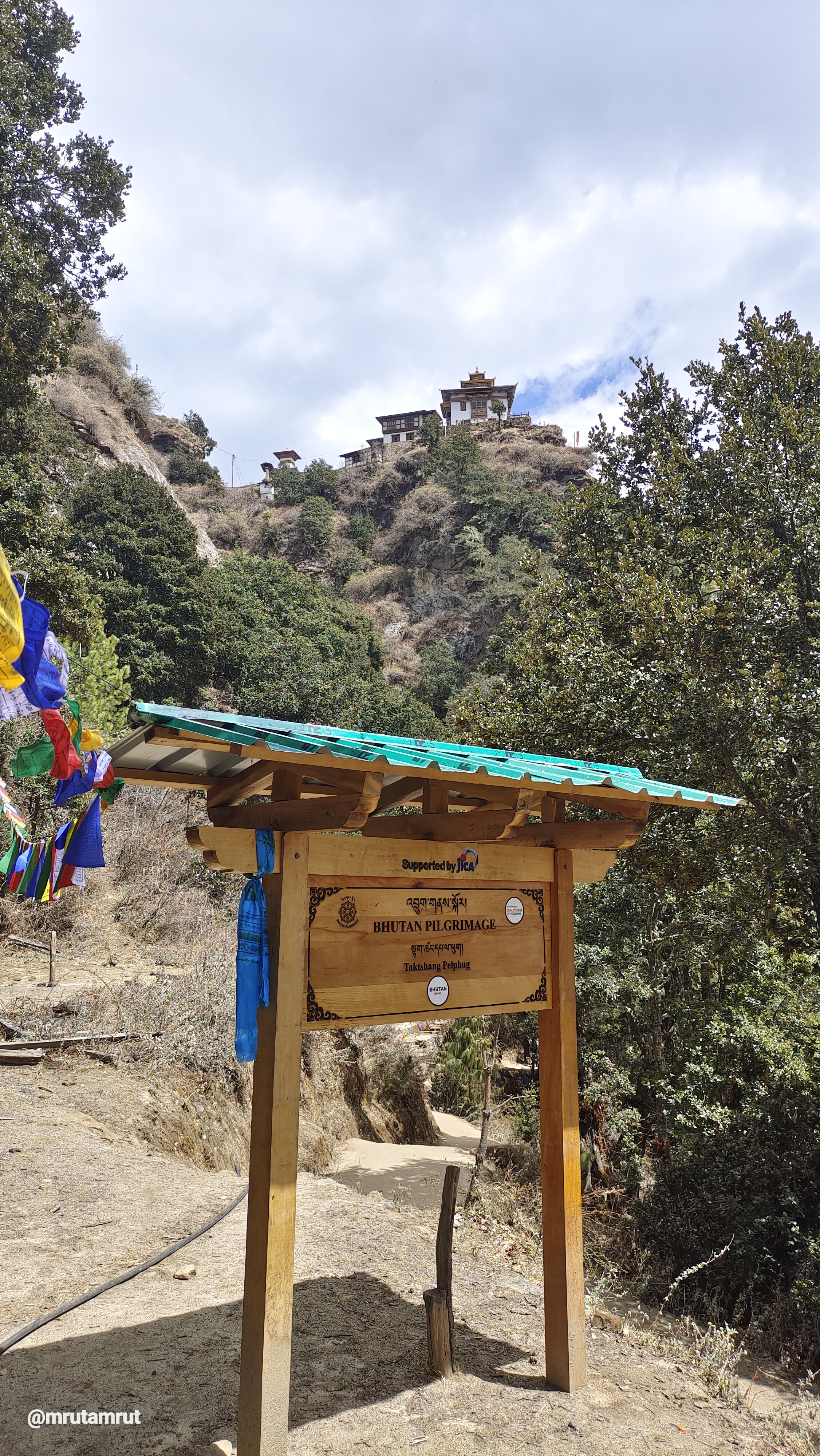
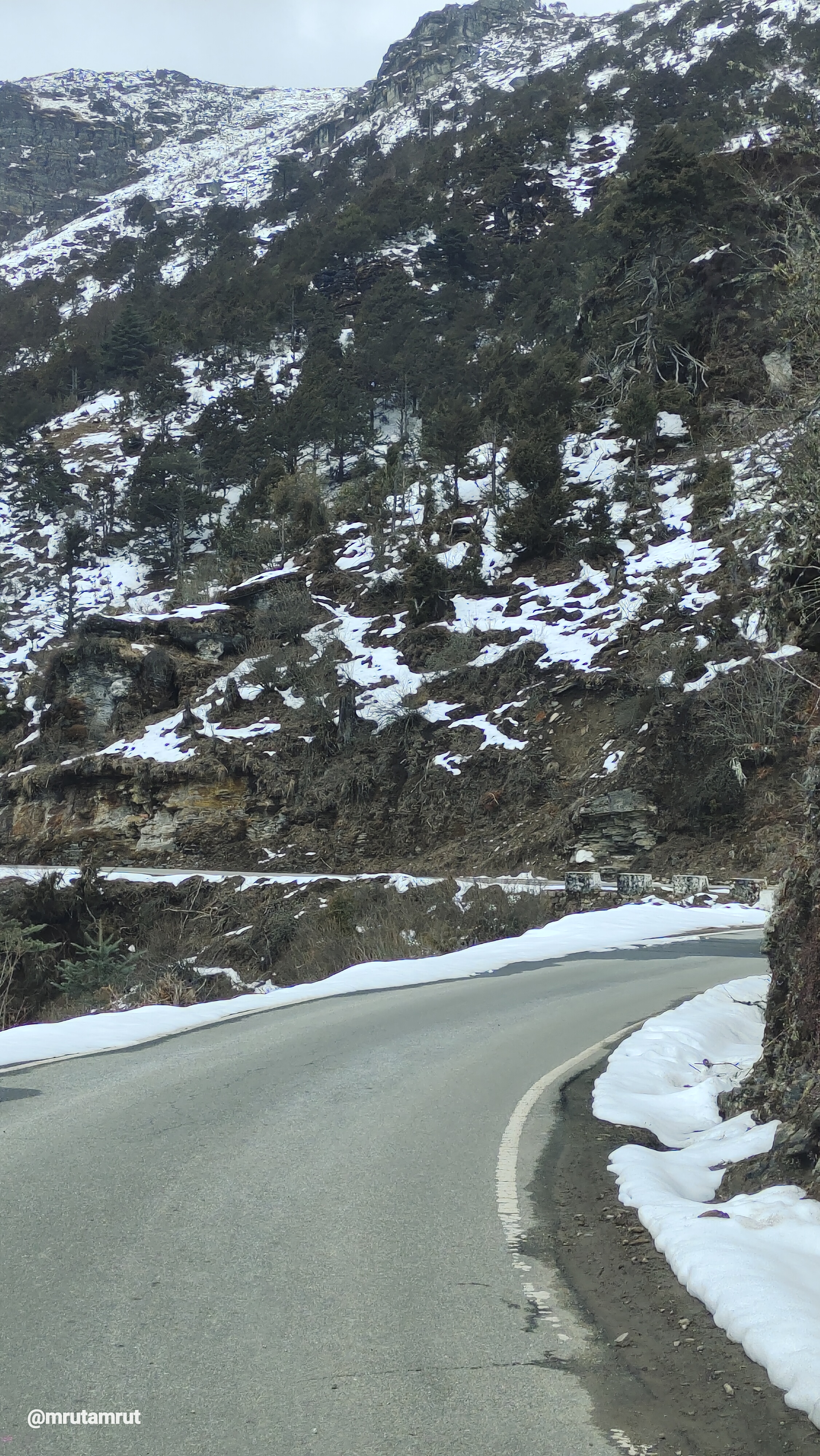
Clinging on a cliff at an altitude of 3120m in Paro Valley this monastery is the gem of Bhutan. The trail goes amidst the dense forests lined up with Rhododendron and pine trees. Colorful prayer flags along the way are believed to be strung up by Bhutanese for the wind to bring compassion and blessings to all beings. The trail’s steep ascends test your mental endurance more than the physical. The key is to surrender to nature and trust the journey and your pace. Moreover, the structure of the monastery in its relentless glory gets bigger with every milestone on the trek route – as if it is teaching focus on the aim while taking one step at a time towards it. Upon reaching the monastery the breathtaking view of the valley and the serenity filled in the air makes the tedious hike all worth it. Visiting each temple in the monastery implanted another tini-tiny seed of spirituality in my mind leaving me with a greater responsibility to nurture it to grow further throughout life. With this thought and promise to myself, started the descent and reached Paro with the feeling of fulfillment. The next day started the journey to Haa Valley via Chele La pass – its snow-covered view was mesmerizing.



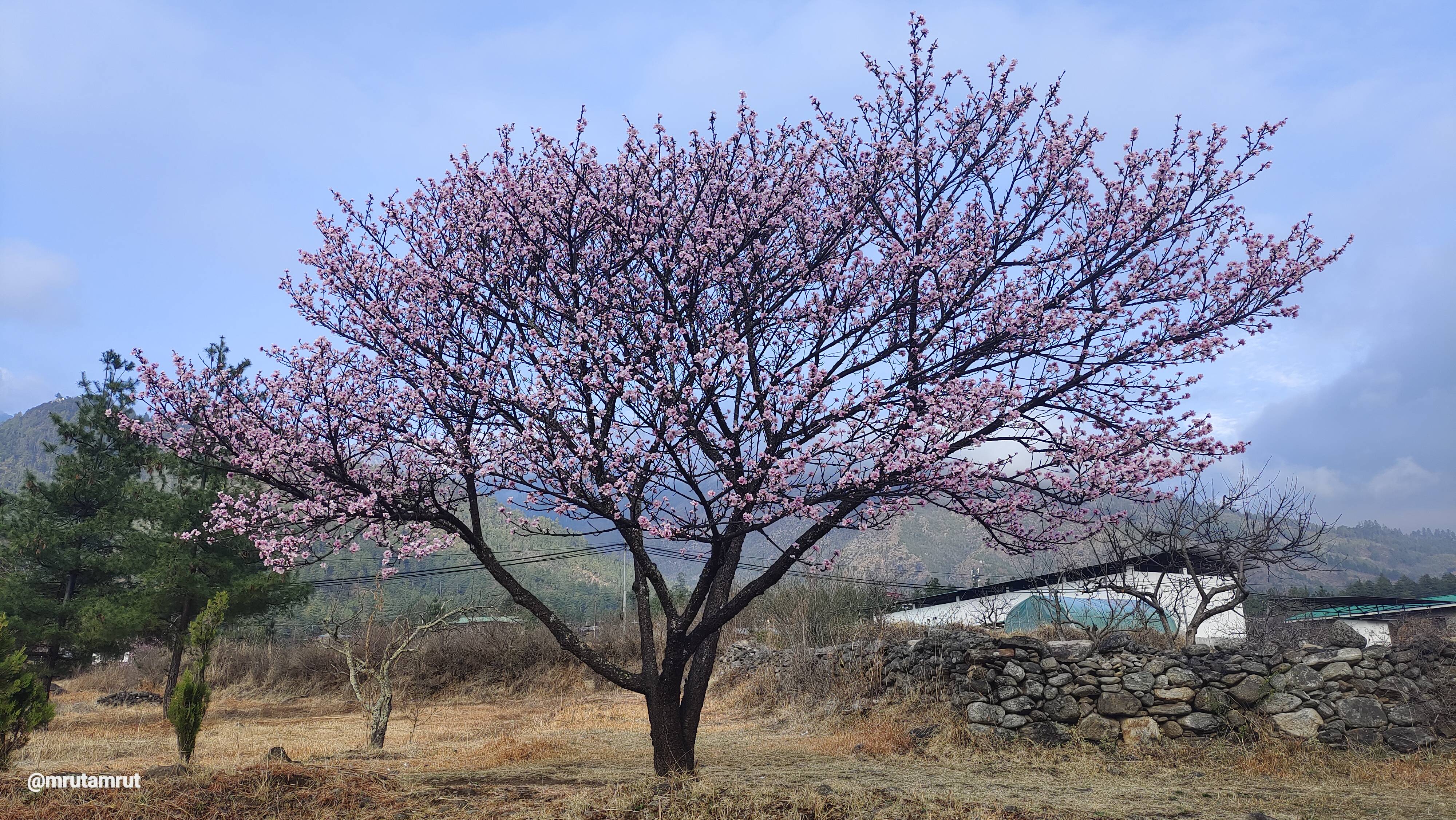
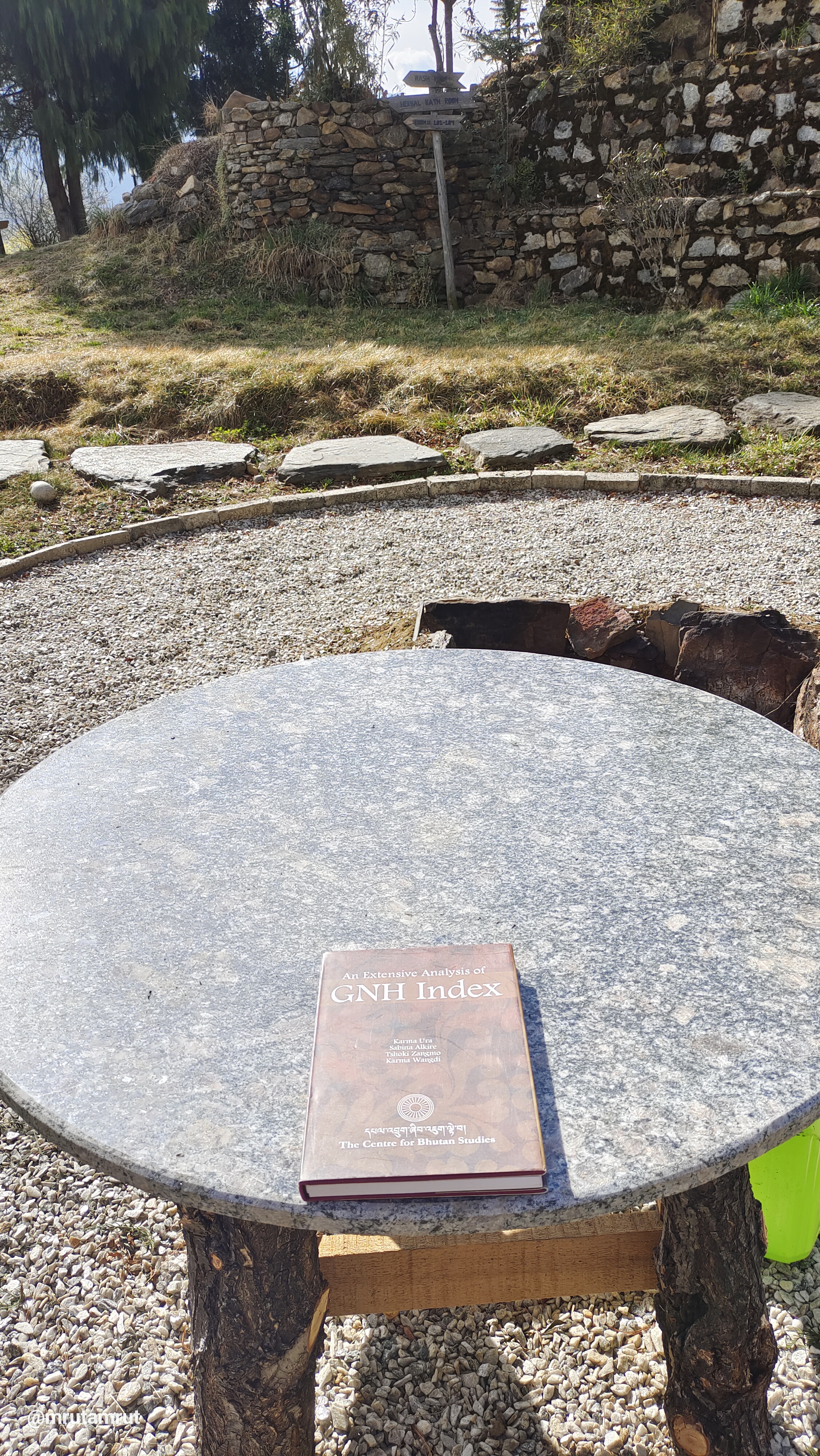
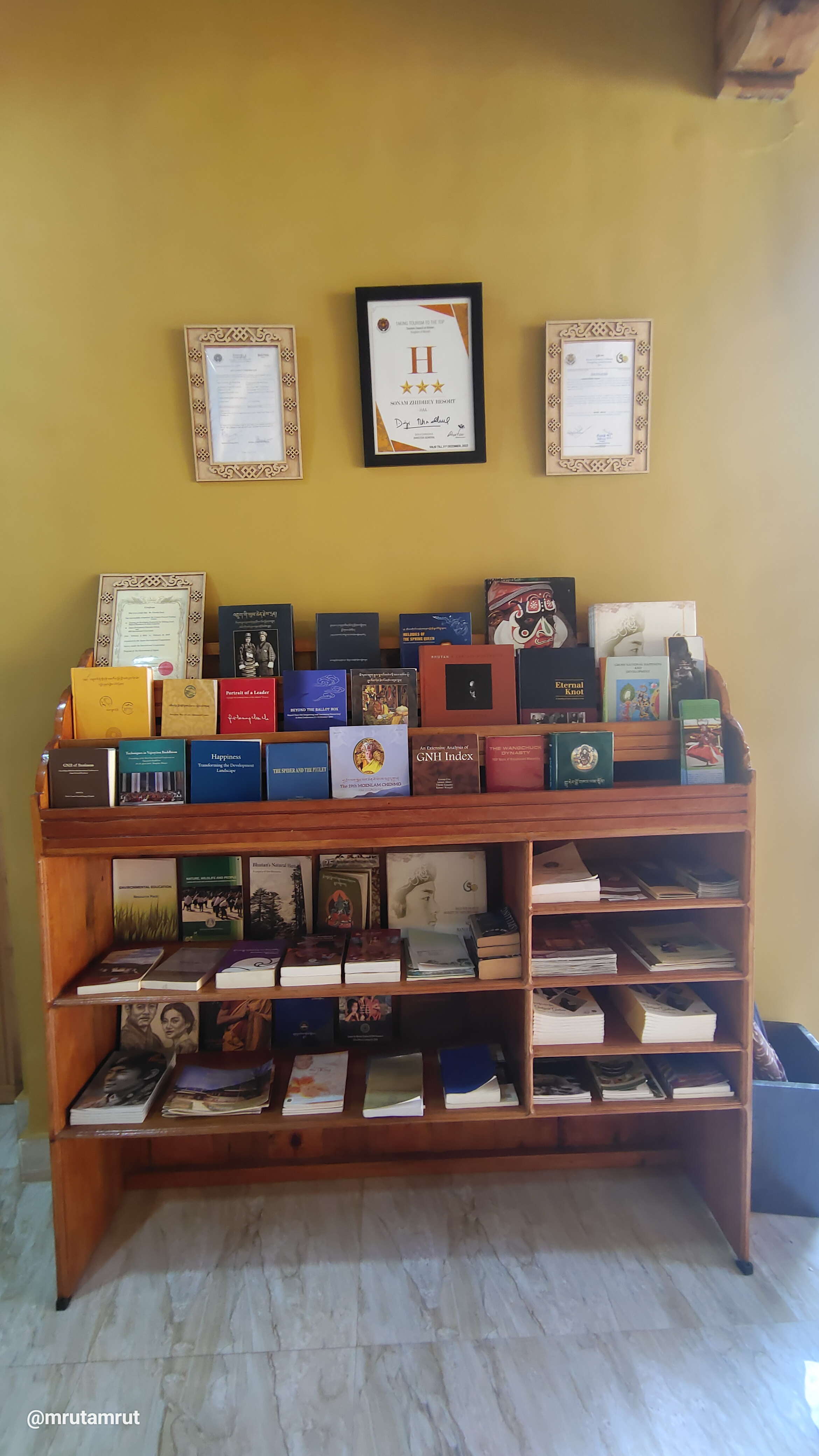
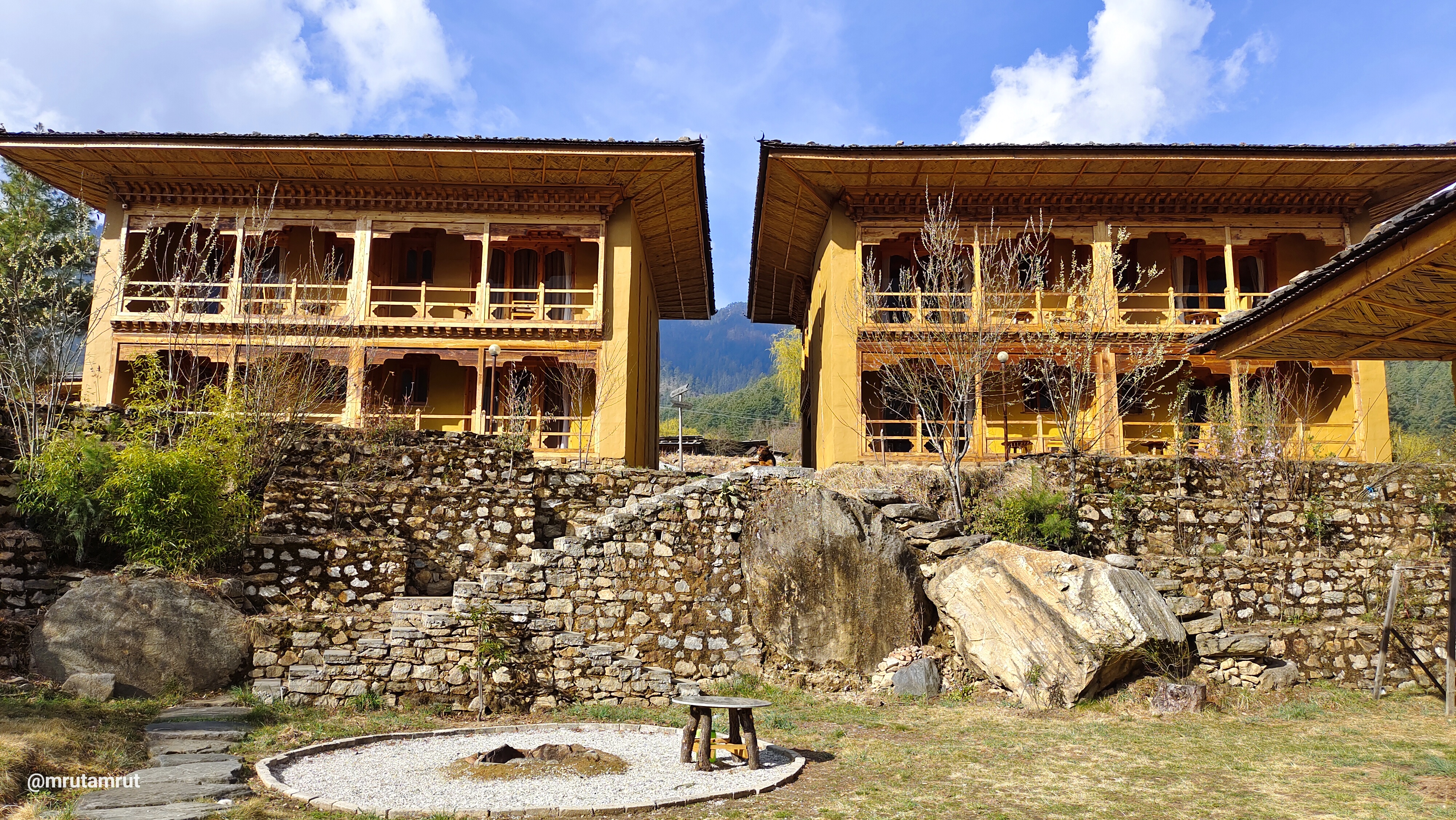
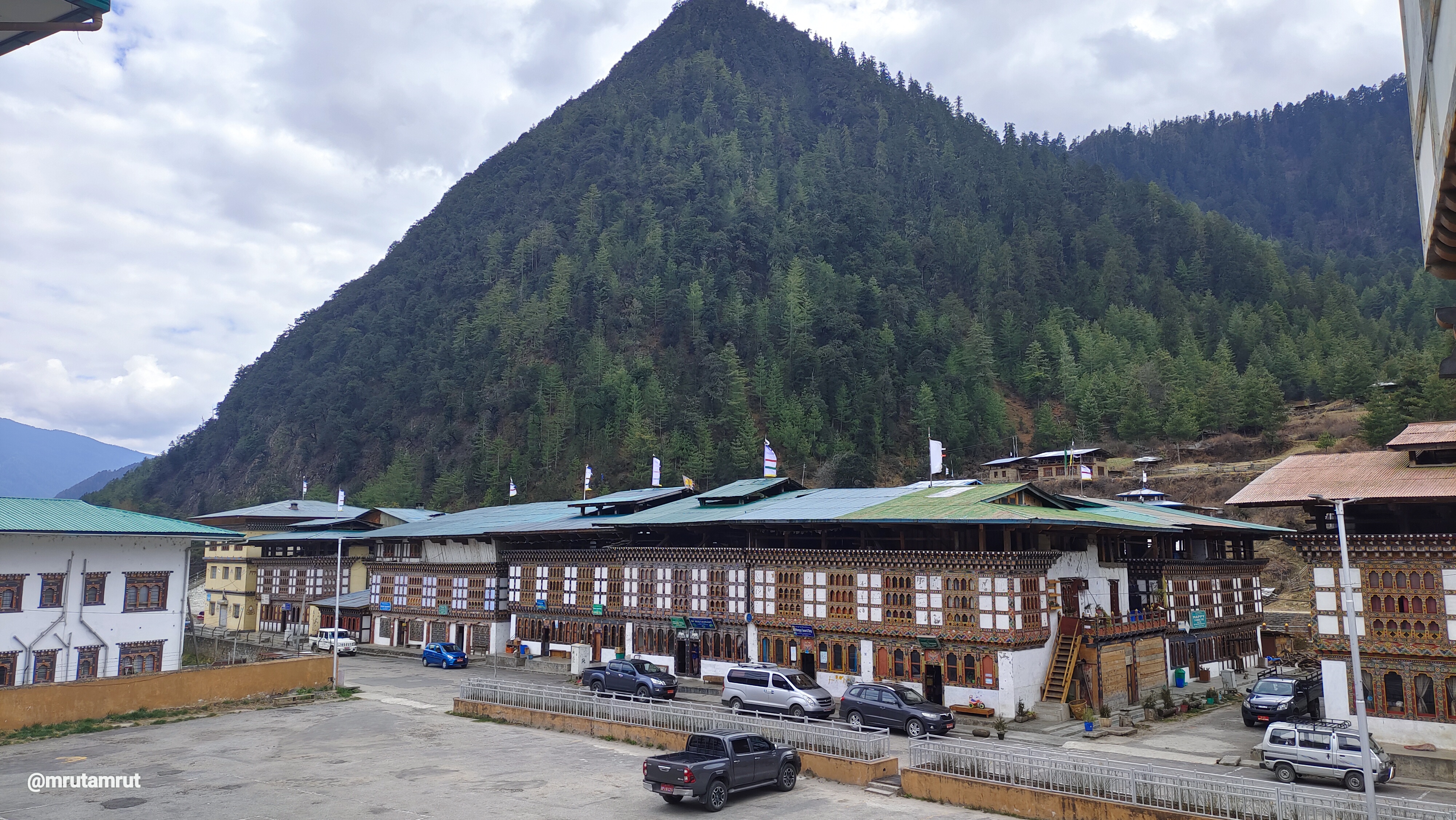
Our stay in Haa Valley was one of the finest ones of all – owing to the view of the Tibet border that it offered. After visiting Chele La in the morning, we had a whole day in Haa Valley – a lesser-known small town that opened for tourists in recent times. This was the last chance to experience the slow life before the return journey. So, took a stroll through its streets, visited the local school interacted with the teachers and students, sat on the river bank, and explored local shops and cafes sipping butter tea. There was so much silence that while taking an evening walk, I could hear the breathing of the dog who was walking parallel to me. One afternoon I witnessed an interesting scene in the town – all the people: kids, residents, and shopkeepers joined hands with the workers in the cleaning drive on a Saturday afternoon. The sense of belongingness and responsibility was commendable. Back in my stay, I came across a book on GNH Index analysis in its library. Reading it gave an insight into how the concept of Gross National Happiness is holistic, balanced, and sustainable one. Bhutan you as a country strive for the benefits of economic growth and modernization while ensuring that in the drive to acquire material wealth you do not forget to nurture what makes you happy to be Bhutanese. And your government has to ensure that these elements contributing to happiness and well-being are nurtured and protected.
Bhutan, you’re blessed with pristine nature, spiritual air, and simple people with purest hearts and warm smiles. You adopted modernization to a certain extent and may not have all the new inventions that make life easier or so-called happening as city life but your people are well aware of how to live life in abundance and that’s why I love you – praying that you remain untouched with otherworldly stuff and hoping to explore you more in the future.
With Love… Amruta
© 19.04.2024 The copyright and other intellectual property rights of this content and pictures are with the author and Soulसंवाद .

 Soulसंवाद